The single most effective method for preventing small hive beetle infestations in pollen traps is the timely and frequent removal of collected pollen. Because beetles use the protein-rich pollen as a breeding ground to lay eggs, leaving the trap unemptied—especially during warm weather—guarantees infestation and spoilage. You must physically remove the pollen before eggs have time to hatch and the resulting larvae can slime the harvest or damage the colony.
Small hive beetle management in pollen traps is a race against time. To maintain the quality of your harvest and the health of your hive, you must empty traps frequently to interrupt the beetle's reproductive cycle.
The Mechanics of Infestation
Why Beetles Target Pollen
Small hive beetles are drawn to the hive by the scent of hive products, but they specifically target pollen for reproduction.
The collected pollen provides the necessary protein source for beetle larvae to thrive.
The Role of Temperature
Your vigilance must increase in correlation with the temperature.
According to the primary data, beetles are most active during warm weather. Heat accelerates their metabolic rate and egg-laying capabilities, shortening the window you have to harvest the pollen safely.
The Consequences of Neglect
Failing to empty the trap does not just ruin the pollen; it endangers the bees.
If larvae establish themselves in the trap, they can migrate into the main hive, sliming combs and potentially causing the colony to abscond.
Broader Hive Defense Strategies
In-Hive Beetle Traps
While you cannot put chemicals directly into your pollen trap, you can reduce the overall beetle population in the hive using separate control devices.
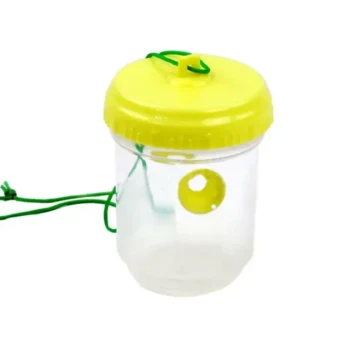
Common in-hive beetle traps use a compartment filled halfway with liquid oil, such as cooking or mineral oil, to drown adult beetles.
Alternative Control Agents
Some beekeepers utilize food-grade diatomaceous earth in beetle traps.
This substance works by cutting the beetles' exoskeletons, though it does not physically trap them like oil does.
Substances to Avoid
Never use boric acid inside a beehive for beetle control.
While effective on some pests, it poses a severe contamination risk, particularly if honey supers are present on the hive.
Important Trade-offs and Considerations
The Complexity Cost
Introducing pollen traps adds a layer of management complexity that can be overwhelming for novices.
It is strongly recommended that beekeepers in their first few years avoid pollen trapping entirely.
Focusing on Fundamentals
The energy required to manage pollen traps and monitor for beetles is better spent on essential skills.
New beekeepers should prioritize helping bees build healthy comb and ensuring the colony successfully overwinters before attempting to harvest pollen.
Making the Right Choice for Your Goal
If you are considering installing pollen traps, assess your current experience level and availability to manage the hive.
- If your primary focus is harvesting pollen: You must commit to a schedule of emptying the traps daily or every other day during warm months to ensure the product remains beetle-free.
- If your primary focus is learning beekeeping: You should forego pollen traps for now and focus on mastering colony overwintering and comb management.
Consistent intervention is the only barrier between a high-quality harvest and a lost colony.
Summary Table:
| Prevention Strategy | Action Required | Importance |
|---|---|---|
| Pollen Removal | Daily or every other day during warm weather | Critical - Interrupts egg-laying cycle |
| In-Hive Traps | Use oil-filled traps to drown adult beetles | High - Reduces overall pest population |
| Temperature Monitoring | Increase frequency of harvest as heat rises | High - Heat accelerates beetle metabolism |
| Avoidance (Novices) | Do not use traps in the first few years | Medium - Simplifies hive management fundamentals |
Maximize Your Harvest with HONESTBEE Supplies
As a professional in the beekeeping industry, your success depends on high-quality equipment that resists pests and streamlines operations. HONESTBEE supports commercial apiaries and distributors with a complete range of professional-grade beekeeping tools, machinery, and essential consumables.
Whether you need precision honey-filling machines, durable hive-making equipment, or reliable pollen traps and hardware, we provide the industrial-scale solutions you need to thrive. Let us help you scale your business with the best tools in the market.
Ready to upgrade your apiary? Contact us today to explore our wholesale offerings and industrial machinery!
関連製品
- ミツバチの花粉コレクターのための換気された皿が付いている取り外し可能なプラスチック花粉のトラップ
- 30 cm プラスチック製入口穴ハチ花粉トラップとコレクター
- プラスチック蜂花粉トラップストリップ櫛キャッチャーコレクター
- スーパーをクリアするための高効率ダイヤモンド迷路ビーエスケープ
- 業務用バケツ型スズメバチ・蛾フェロモントラップ