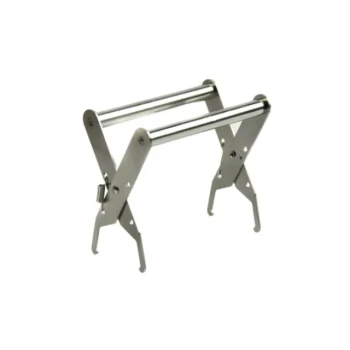
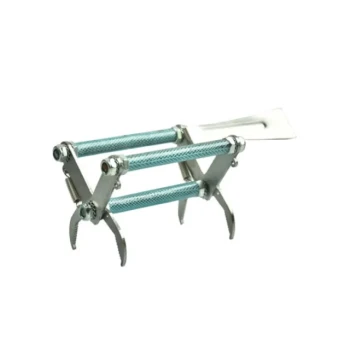
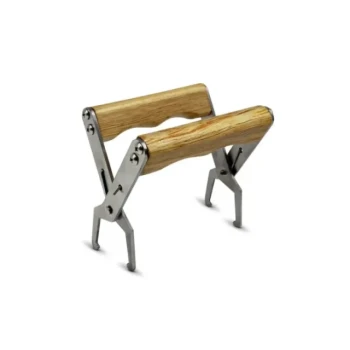
In the context of genetic diversity research, hive frames function as precision isolation tools that act as the primary interface between the researcher and the specific biological data points. They enable technicians to physically locate and extract specific developmental stages, such as drone pupae or larvae, ensuring that every sample collected is directly attributable to a single colony and a specific genetic lineage.
The primary value of the hive frame in research is traceability. By isolating samples to a specific frame, researchers guarantee that the genetic material originates from a known queen, eliminating the contamination risks associated with mixed or open-environment sampling.
Ensuring Genetic Integrity
Locating Specific Developmental Stages
The hive frame provides a structured grid where the colony organizes its brood. For genetic research, this organization is critical.
It allows technicians to visually identify and access specific targets, most notably drone pupae or larvae. Because drones carry specific genetic markers relevant to diversity studies, the ability to pinpoint them on the frame is essential for accurate data collection.
Guaranteeing a Single Genetic Source
In genetic diversity research, contamination is the enemy. If a sample cannot be definitively linked to a specific colony, the data becomes unreliable.
Hive frames allow for the extraction of samples directly from the comb structure. This ensures the biological material belongs to that specific hive, maintaining accurate traceability and confirming the sample represents a single genetic source.
The Role of Standardization in Research
Consistency Across Geographies
Beyond the individual colony, hive frames serve as a standardized unit of measure across different research sites.
According to supplementary data, utilizing standardized beekeeping hardware allows researchers to collect consistent samples regardless of geographic location. This uniformity ensures that differences in genetic data are due to biological diversity, not inconsistencies in how the bees were housed or sampled.
Minimizing Environmental Noise
Hive frames help create a controlled environment within the hive structure.
This setup minimizes the impact of external environmental factors on the initial state of biological products. By stabilizing the conditions in which the samples (or associated products like bee bread) develop, researchers can reduce variables that might otherwise skew genetic or biological analysis.
Operational Considerations and Trade-offs
The Risk of Physical Disturbance
While hive frames offer precision, accessing them requires opening the hive and physically removing the component.
This process is invasive and causes a temporary disruption to the colony's homeostasis. Researchers must balance the need for precise sample localization against the stress placed on the colony, which could potentially alter behavior or health if done too frequently.
Reliance on Hardware Standards
The effectiveness of this method depends heavily on the universality of the equipment.
If research is conducted across regions where "standard" hive dimensions vary, the consistency mentioned earlier is compromised. Researchers must verify that the physical specifications of the frames are identical across all test sites to maintain data integrity.
Making the Right Choice for Your Research Goals
To maximize the quality of your genetic data, you must align your sampling method with your specific research objectives.
- If your primary focus is genetic purity: Prioritize extracting drone pupae directly from the frame to ensure the DNA profile is strictly linked to the colony's queen.
- If your primary focus is multi-site comparison: rigorous adherence to standardized frame hardware is required to eliminate structural variables between different geographic locations.
The hive frame is not just a storage unit; it is the fundamental grid that allows for the organized, traceable extraction of genetic data.
Summary Table:
| Feature | Function in Genetic Research | Benefit to Researchers |
|---|---|---|
| Structural Grid | Precise localization of drone pupae/larvae | Targeted and efficient sample collection |
| Physical Isolation | Guarantees single-colony genetic source | Eliminates cross-contamination risks |
| Hardware Standardization | Uniformity across geographic test sites | Ensures data consistency and comparability |
| Controlled Environment | Minimizes external environmental noise | Reduces variables skewing biological analysis |
| Traceability | Links samples to specific queen lineages | Maintains high-integrity genetic mapping |
Elevate Your Research with Precision Beekeeping Hardware
At HONESTBEE, we understand that high-stakes genetic research and large-scale commercial success depend on standardization and reliability. As a dedicated partner to commercial apiaries and global distributors, we provide a comprehensive wholesale portfolio designed to meet the rigorous demands of the industry.
From precision-engineered hive frames that ensure sample integrity to advanced honey-filling machines and hive-making machinery, we supply the full spectrum of tools needed to scale your operations. Whether you are conducting diversity studies or managing thousands of colonies, our high-quality beekeeping equipment and essential consumables offer the durability and consistency you require.
Ready to optimize your apiary or distribution network? Contact HONESTBEE today to explore our wholesale offerings and discover how our expertise can support your growth.
参考文献
- Amira Chibani Bahi Amar, Kamila Canale‐Tabet. New COI-COII mtDNA Region Haplotypes in the Endemic Honey Bees Apis mellifera intermissa and Apis mellifera sahariensis (Hymenoptera: Apidae) in Algeria. DOI: 10.3390/insects15070549
この記事は、以下の技術情報にも基づいています HonestBee ナレッジベース .
関連製品
- 養蜂と卸売のための木製蜂の巣フレーム
- 卸売のためのプラスチック蜂フレームの養蜂の巣箱フレーム
- HONESTBEEの耐久性と利便性のためのプラスチック製の土台と組み立て式の木製ビーフレーム
- 頑丈なステンレススチール製クリップオンフレームパーチ
- 蜂の巣用プロフェッショナル亜鉛メッキスチールフレームレスト