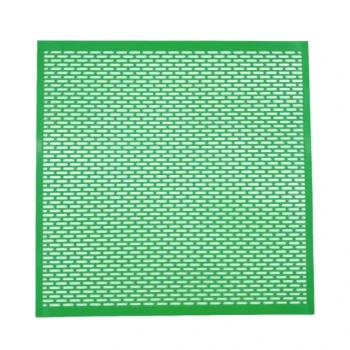
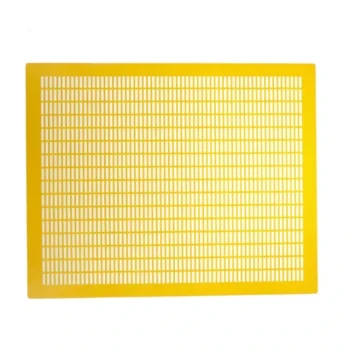
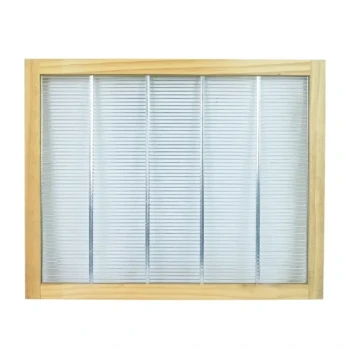
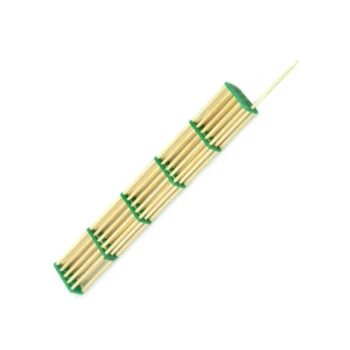
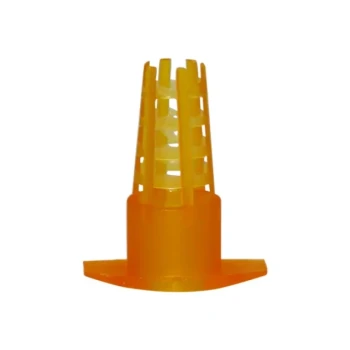
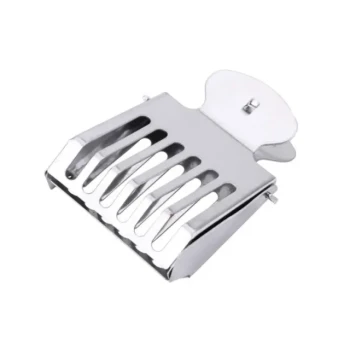
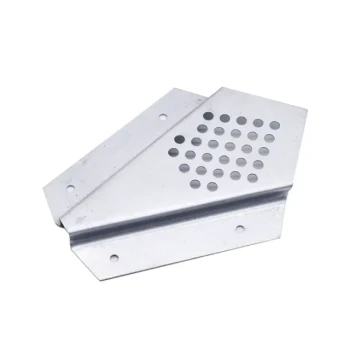
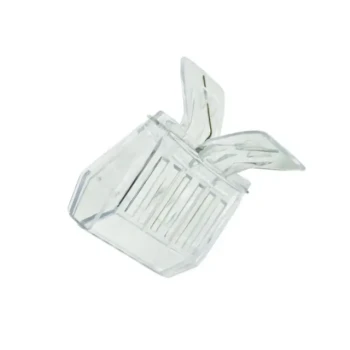
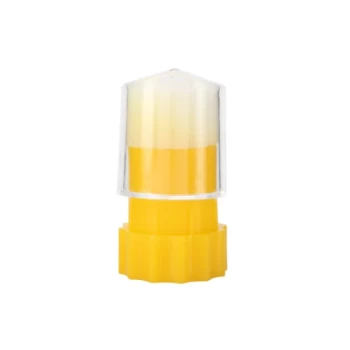
In the specific context of behavioral observation experiments, installing a queen excluder at the entrance of a hive serves a critical scientific function: it acts as a physical filter that confines the queen while allowing the colony to continue foraging. Its primary purpose is to physically prevent the queen bee from flying out to engage in natural mating.
By blocking the queen's exit, researchers maintain absolute control over her insemination status. This prevents the introduction of unknown genetics from wild drones, ensuring that experimental data remains valid and free from deviations caused by external environmental interference.
The Scientific Necessity of Control
When conducting behavioral research, the integrity of the data relies on controlling variables. The queen's reproductive status is one of the most significant variables in a bee colony.
Controlling Genetic Input
In a natural setting, a virgin queen will leave the hive to mate with multiple drones from the surrounding area. This introduces uncontrolled genetic variables into the colony. By placing an excluder at the entrance, researchers prevent these mating flights, ensuring the queen remains virgin or is inseminated only through controlled artificial means.
Preventing Data Deviation
The primary reference highlights that this method prevents "experimental data deviations." If a queen were to mate naturally, the behavior of her offspring would change based on the random genetics of the wild drones. Restricting the queen ensures that the behavioral traits observed in the hive are attributable to specific, known factors rather than random environmental interference.
How the Mechanism Works
The effectiveness of this setup relies on the physical differences between the castes of bees within the hive.
Size-Based Filtration
A queen excluder is a grid—typically made of metal or plastic—with precise spacing. These slits are sized specifically to allow the smaller bodies of worker bees to pass through without resistance. However, the spacing is too narrow for the larger thorax of the queen bee.
Unrestricted Worker Flow
Crucially, the excluder allows the colony to function normally regarding resource gathering. Worker bees can still exit the hive to forage for nectar and pollen and return to feed the colony. This maintains the biological viability of the observation hive while keeping the queen in a state of reproductive isolation.
Understanding the Trade-offs
While essential for certain experiments, using an excluder at the entrance introduces specific constraints that do not exist in a natural hive setup.
Potential Drone Congestion
While the primary focus is the queen, it is important to note that drones (male bees) are also larger than worker bees. Depending on the specific gauge of the excluder, drones may also be trapped inside. This can lead to congestion at the entrance or an accumulation of drones that cannot exit to defecate or mate, potentially stressing the colony.
Confining, Not Curing
The excluder physically prevents the queen from leaving, which effectively stops the colony from casting a swarm (where the queen leaves with a portion of the workers). However, it does not remove the biological impulse to swarm. If the hive becomes overcrowded, the colony may still exhibit swarming behavior and agitation, even if the queen cannot physically depart.
Applying This to Your Research
Deciding whether to install an entrance excluder depends entirely on the specific data you intend to capture from your observation hive.
- If your primary focus is controlled genetics or artificial insemination: You must install the excluder to guarantee the queen does not mate with wild drones, which would compromise your genetic baseline.
- If your primary focus is general colony health or honey production: You generally should not use an entrance excluder, as it may hinder drone movement and is unnecessary if strict genetic control is not required.
Ultimately, the entrance excluder is a precision tool for isolating the queen’s reproductive behavior without disrupting the daily labor of the worker force.
Summary Table:
| Feature | Function in Observation Hive | Impact on Research |
|---|---|---|
| Queen Retention | Physically blocks queen from exiting | Ensures 100% control over mating and insemination status |
| Genetic Isolation | Prevents mating with wild drones | Eliminates data deviations caused by unknown genetics |
| Worker Passage | Allows foragers to exit and return | Maintains colony health and resource flow during study |
| Size Filtration | Grid spacing based on thorax size | Exploits biological differences for non-invasive containment |
Elevate Your Beekeeping with HONESTBEE Professional Solutions
At HONESTBEE, we understand the precision required for both scientific research and commercial apiary success. Whether you are managing a specialized observation hive or scaling up a large-scale operation, we provide the industrial-grade tools you need to succeed.
Why choose HONESTBEE?
- Wholesale Excellence: We cater to commercial apiaries and distributors with a full spectrum of beekeeping machinery and tools.
- Comprehensive Inventory: From precision queen excluders and hive-making hardware to advanced honey-filling machines.
- Industry Expertise: We supply the essential consumables and honey-themed cultural merchandise that set your brand apart.
Ready to optimize your production and ensure the health of your colonies? Contact us today to discuss your wholesale needs and see how our hardware can transform your beekeeping business.
参考文献
- Freddie‐Jeanne Richard, Christina M. Grozinger. Effects of Insemination Quantity on Honey Bee Queen Physiology. DOI: 10.1371/journal.pone.0000980
この記事は、以下の技術情報にも基づいています HonestBee ナレッジベース .
関連製品
- 養蜂と養蜂場管理のための高性能プラスチック製女王蜂駆除器
- 近代的養蜂のためのプロフェッショナルなプラスチック製女王蜂駆除器
- 養蜂用軽量で耐久性のあるプラスチック製女王蜂追い出しスクレーパー
- 養蜂用金属製女王蜂駆除器
- プレミアムウッドフレームメタルワイヤー女王蜂駆除器
よくある質問
- プラスチック製の女王バリケードの特徴は何ですか?コスト効率の良い養蜂のための主なメリット
- 商業的な養蜂管理において、金属製やワイヤー製の王籠(女王蜂排除板)の代わりにプラスチック製の王籠を使用することには、どのような運用上およびコスト上の利点があるのでしょうか?労働力の削減、羽の損傷の防止、総コストの低減を実現する方法について解説します。
- 養蜂家が利用できる女王蜂除外器の種類は?あなたの巣箱に合ったツールを選びましょう
- なぜ標準化された巣枠と隔王板は、蜂蜜の純度と品質を維持するために不可欠なのでしょうか? 純度をスケールアップ
- プラスチック製女王蜂隔離板は機能しますか?現代の養蜂のための費用対効果の高いソリューション