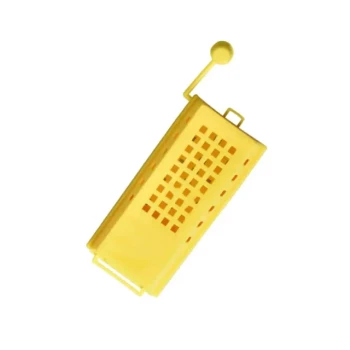
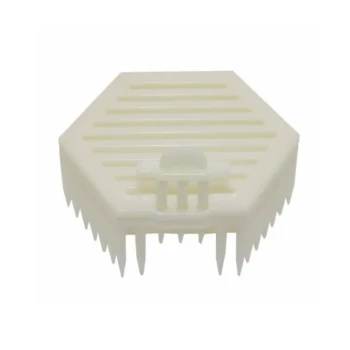
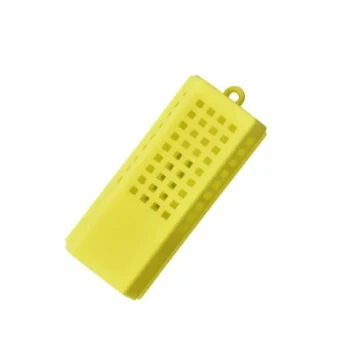
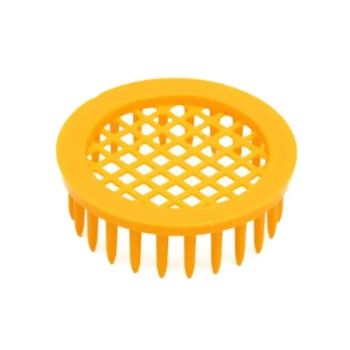
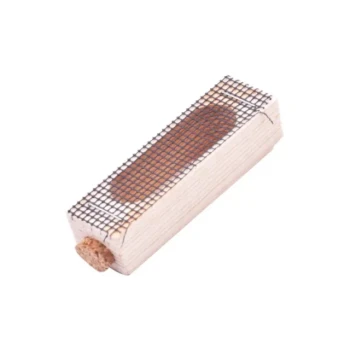
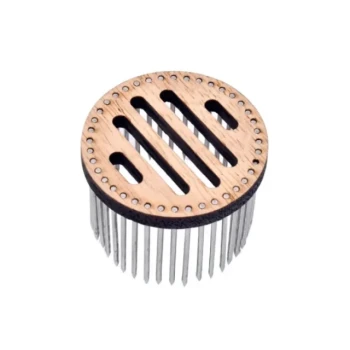
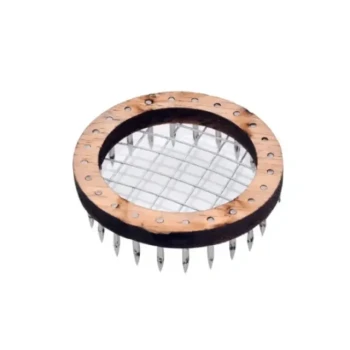
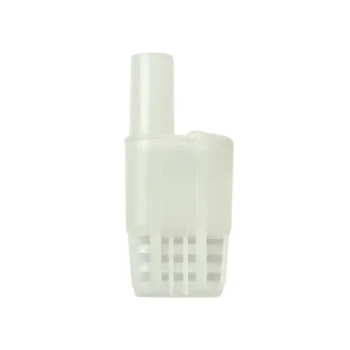
Precision in honeybee nutritional research is achieved by eliminating the variables inherent in a natural hive. Specialized feeding cages serve as controlled micro-environments that isolate specific honeybees from the chaos of colony life, allowing researchers to dictate the exact intake of nutrients.
By creating an enclosed environment free from social interference and random foraging, these cages ensure that observed biological changes—such as glandular development or gene expression—are caused strictly by the nutritional variables introduced, not by environmental chance.
Creating a Controlled Micro-Environment
Isolating from Social Interference
In a standard colony, honeybees engage in complex social behaviors, including food sharing (trophallaxis). This makes it nearly impossible to track exactly what an individual bee has consumed.
Specialized feeding cages prevent this interaction. They isolate the test subjects, ensuring that the nutrient intake is not diluted or altered by food exchange with other workers.
Eliminating Foraging Variables
External foraging introduces unknown variables, such as varying pollen sources or nectar flows.
By confining bees to a cage, researchers remove the external foraging variables entirely. This guarantees that the diet provided in the experiment is the only diet the bee consumes.
Managing Nutrient Ratios
The primary function of this equipment is the precise management of dietary inputs.
Researchers can control the exact ratio of protein supplements to sugar water. This capability is essential for experiments designed to test how specific nutritional balances impact bee physiology.
Measuring Physiological Impact
Tracking Glandular Development
Nutrition plays a critical role in the physical development of the honeybee, particularly in the hypopharyngeal glands used to produce brood food.
Because the intake is standardized, any changes in glandular development can be directly attributed to the specific protein-to-sugar ratio provided during the trial.
Correlating Diet to Gene Expression
Modern nutritional research often looks at how diet affects the activation of specific genes.
The controlled environment ensures that data regarding gene expression is accurate. Without this isolation, it would be difficult to prove that a specific nutrient—rather than social stress or pathogen exposure—caused the genetic response.
Understanding the Scientific Trade-offs
The Necessity of Artificial Confinement
While these cages provide precision, they function by removing the bee from its natural social structure.
The "trade-off" is that the bee is no longer in a holistic colony setting. However, this artificial constraint is necessary to obtain clean data regarding mortality and physiological changes that would otherwise be lost in the noise of a full hive.
Precision vs. Contamination
In broader applications (such as oral dsRNA experiments mentioned in supplementary contexts), the goal is ensuring a "predetermined dose" is ingested.
The cage setup is critical here to prevent external contamination. If a bee were treated in an open hive, the treatment could spread to non-target bees, or the target bee could ingest untreated food, invalidating the mortality or efficacy data.
Making the Right Choice for Your Goal
To determine if specialized feeding cages are required for your study, consider your primary data endpoints:
- If your primary focus is associating diet with gene expression: Use feeding cages to isolate the subject from social interference, ensuring the genetic change is solely nutrition-driven.
- If your primary focus is determining the mortality rate of a specific compound: Use feeding cages to ensure the subject ingests a predetermined dose without cross-contamination.
- If your primary focus is glandular physiology: Use feeding cages to strictly manage the protein-to-sugar ratio, as this directly dictates glandular growth.
Adopting specialized feeding cages transforms nutritional observation from anecdotal hive monitoring into precise, quantifiable science.
Summary Table:
| Feature | Purpose in Nutritional Research | Impact on Data Quality |
|---|---|---|
| Social Isolation | Prevents food sharing (trophallaxis) | Ensures individual intake tracking |
| Environment Control | Eliminates external foraging variables | Guarantees diet consistency |
| Dose Management | Precise protein-to-sugar ratios | Enables accurate physiological correlation |
| Contamination Guard | Prevents cross-contamination of compounds | Validates mortality and efficacy rates |
Elevate Your Beekeeping Operation with HONESTBEE
At HONESTBEE, we understand that whether you are conducting precision research or managing a commercial apiary, the quality of your equipment dictates your results. We cater to commercial apiaries and distributors worldwide with a comprehensive wholesale offering designed to streamline your operations and maximize productivity.
Our Value to You:
- Comprehensive Range: From specialized research tools to heavy-duty hive-making and honey-filling machines.
- Industry Reliability: We supply the full spectrum of beekeeping machinery and essential consumables that meet rigorous professional standards.
- Wholesale Advantage: Competitive pricing on specialized hardware and honey-themed cultural merchandise to help you scale.
Ready to upgrade your apiary’s efficiency or expand your distribution catalog? Contact us today to explore our full product portfolio and see how HONESTBEE can support your growth.
参考文献
- Fabiana Castelani Andreotti Vianna, Maria Claudia Cola Ruvolo Takasusuki. Changes in the chromatin structure of honey bee hypopharyngeal gland cells subjected to the absence of pollen. DOI: 10.55905/cuadv16n13-135
この記事は、以下の技術情報にも基づいています HonestBee ナレッジベース .
関連製品
- スライド式ゲートとフィーダープラグ付きプロフェッショナル女王蜂ケージ
- プロフェッショナル女王蜂導入・輸送ケージ
- プロフェッショナル多機能女王蜂ケージ
- 六角形直接巣板導入用蜂王ケージ
- プロフェッショナル用多室式女王蜂ケージ(スライド式蓋付き)