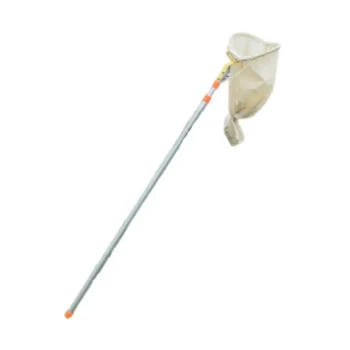
Bee lures and attractants function as chemical beacons, simulating naturally occurring pheromones and scents to guide wild honeybee swarms into managed hives. By mimicking the olfactory signature of a queen bee or a prime nesting site, these agents transform passive equipment into active collection tools, allowing beekeepers to acquire original bee stocks at a significantly reduced cost.
Core Insight: Lures leverage the specific biological instincts of honeybees to facilitate voluntary colony relocation, offering a high-efficiency, low-capital method for expanding apiary scale without reliance on market-based procurement.
The Mechanism of Attraction
Mimicking Biological Signals
Honeybees rely heavily on chemical communication to identify resources and leadership. Lures utilize lemongrass oil or synthesized swarm lures to mimic these signals.
These substances replicate the pheromones of a queen bee or the natural floral scents that signal a suitable home. This triggers the biological instinct of scouting bees to investigate and eventually select the treated hive as a new residence.
Inducing Voluntary Settlement
The primary function of a lure is to entice a swarm to enter a pre-set hive voluntarily.
Unlike active swarm capture, which requires physical intervention, a lure-treated "bait hive" works autonomously. By simulating an ideal nesting environment, the lure convinces the colony to settle on its own, reducing the labor required for stock acquisition.
Strategic Impact on Apiary Scale
Cost-Effective Stock Acquisition
Using attractants is fundamentally an economic strategy. It allows for the establishment of new production units with minimal capital investment.
Instead of purchasing expensive nuclei (nucs) or packages, beekeepers can obtain "free bees" from the wild. This significantly lowers the barrier to entry for expanding operation size.
Leveraging Structural Assets
Lures maximize the utility of existing equipment. Beekeepers often hang empty hives treated with attractants on forest trees or near existing apiaries.
This technique leverages the structural characteristics of the hive combined with the scent to capture migrating swarms. It turns a spare wooden box into a biologically active trap for resource generation.
Integration with Active Capture Methods
Enhancing Swarm Traps
While lures are often used for passive trapping, they also play a role in active swarm collection.
When capturing a swarm located on a branch, placing a lure in the receiving box increases the speed of uptake. It signals to the confused bees that the box is a safe, queen-right environment.
The Role of the Queen Cage
For total colony relocation, attractants work in tandem with physical tools like the queen cage.
Once the queen is confined in a cage, her natural pheromones act as the ultimate lure. Worker bees will naturally congregate around her. Combining artificial lures with the captured queen ensures the entire swarm remains in the new managed environment.
Understanding the Trade-offs
Probability vs. Certainty
Lures increase the probability of capturing a swarm, but they do not guarantee it.
Purchasing a nucleus colony provides immediate, guaranteed stock. In contrast, relying solely on lures is a game of chance dependent on local swarm prevalence and environmental competition.
Skill Requirements
While cost-effective, capturing swarms—even with lures—can be intimidating for novices.
Successful implementation requires knowledge of swarm behavior, proper trap placement, and the ability to manage a wild colony once caught. It is often a method better suited for intermediate to experienced beekeepers compared to the plug-and-play nature of buying domestic stock.
Making the Right Choice for Your Goal
- If your primary focus is rapid, predictable growth: Invest in professional bee nuclei to ensure immediate colony strength and fast loss replenishment.
- If your primary focus is cost reduction: Utilize bait hives treated with pheromone lures or lemongrass oil to capture wild stock with minimal financial outlay.
- If your primary focus is asset utilization: deploy spare hives as swarm traps in forested areas to passively recruit new colonies during swarm season.
Mastering the use of attractants allows you to convert biological instincts into tangible assets for your apiary.
Summary Table:
| Method | Primary Mechanism | Cost Level | Effort Required | Success Predictability |
|---|---|---|---|---|
| Bee Lures/Attractants | Pheromone mimicry (Lemongrass oil) | Low | Low (Passive) | Variable/Probabilistic |
| Nuc/Package Purchase | Commercial procurement | High | Low | High/Guaranteed |
| Active Swarm Capture | Physical collection + Queen caging | Low | High (Manual) | Moderate |
| Bait Hives | Structural & Scent attraction | Minimal | Low (Set & Forget) | Seasonal Dependent |
Scale Your Beekeeping Operation with HONESTBEE
Ready to transform your apiary's efficiency? HONESTBEE empowers commercial apiaries and distributors with the professional-grade tools needed to capture, manage, and scale honeybee colonies. From specialized swarm lures and queen cages to advanced hive-making and honey-filling machinery, we provide a comprehensive wholesale portfolio designed for industry growth.
Our Value to You:
- Full Spectrum Supply: Everything from hardware to essential industry consumables.
- Commercial Expertise: Tailored solutions for large-scale operations and global distributors.
- Quality Assured: Durable beekeeping tools and unique honey-themed cultural merchandise.
Don't leave your growth to chance—leverage the right equipment today. Contact us now to explore our wholesale offerings and equipment catalogs!
参考文献
- Fatoumata Barry, Amadou Diouf. Beekeeping diagnostic in four production basins in Senegal: an analysis of opportunities and weaknesses. DOI: 10.4314/ijbcs.v12i3.9
この記事は、以下の技術情報にも基づいています HonestBee ナレッジベース .
関連製品
- スクエア折りたたみ式ベール付きプロ用養蜂スーツ
- 蜂の膨脹可能な衣裳のでき事及びマーケティングのための専門の従事する昇進の服装
- マヤ・ザ・ビー マスコット・コスチューム プロの魅力的なキャラクター衣装
- 養蜂用黄色プラスチックバケツペール止まり木
- 養蜂用ダダントサイズ木製巣箱