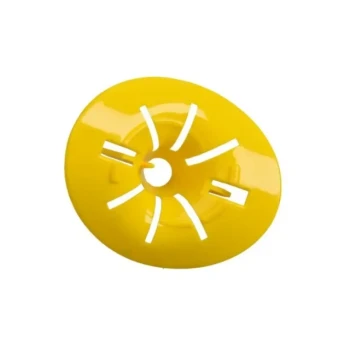
Pest barrier protection solutions function as a critical perimeter defense in apiary management. By applying specific agents like mineral greases or salt solutions to hive bases, you create a physical or chemical blockade that prevents terrestrial invaders from compromising the colony.
The strategic value of these barriers extends beyond simple pest control; they are fundamental to colony stability. By minimizing external disturbances, these measures significantly reduce the risk of colony absconding and preserve the structural integrity of your physical hardware.
The Mechanics of Protection
Creating a Defensive Perimeter
The primary role of these solutions is to establish a "no-pass" zone between the ground and the hive.
Agents such as specific mineral greases or salt solutions are applied directly to hive bases or stands.
This application creates an inhospitable surface that insects cannot cross, effectively sealing off the hive entrance from ground-based threats.
Physical Isolation Techniques
Beyond chemical applications, the physical positioning of the hive plays a major role in barrier protection.
Hanging hives on specialized stands utilizes vertical space to create a physical gap that many terrestrial pests cannot bridge.
This method isolates the colony from the ground, offering a robust defense against non-flying intruders like lizards and beetles.
Strategic Impact on the Apiary
Preventing Colony Absconding
The most critical biological role of pest barriers is the reduction of stress on the bee colony.
Constant harassment by pests creates a disturbance that often forces a colony to abandon the hive, a behavior known as absconding.
By blocking invaders, you maintain a calm environment, ensuring the colony remains resident and productive.
Protecting Physical Assets
Barriers play a vital financial role by protecting the apiary's hardware.
Termites are a primary threat to wooden hive stands and boxes, capable of destroying expensive equipment rapidly.
Effective barrier solutions prevent these wood-boring pests from accessing and degrading your capital assets.
Targeting Specific Invaders
Different barriers address a wide spectrum of ground-based threats.
Chemical and grease barriers are particularly effective against ants, termites, and wax moth larvae.
Physical isolation helps exclude larger pests identified in supplementary observations, such as beetles and lizards.
Understanding the Limitations
Maintenance Requirements
Barrier solutions are rarely a "set and forget" method; they require regular observation during daily maintenance.
Greases can dry out or become covered in dust, rendering them passable to insects.
Salt solutions may wash away during heavy rains, requiring re-application to maintain chemical repellency.
The Scope of Protection
It is important to recognize that these barriers only protect against terrestrial (ground-based) pests.
They offer no defense against airborne threats or diseases carried by foraging bees.
Relying solely on barriers without checking internal hive health can lead to a false sense of security.
Making the Right Choice for Your Goal
To select the most effective barrier strategy, consider your specific environmental pressures:
- If your primary focus is Asset Longevity: Prioritize mineral greases and chemical barriers on stands to prevent termites from destroying wooden hardware.
- If your primary focus is Colony Retention: Combine physical isolation (hanging hives) with grease barriers to eliminate the disturbances that cause absconding.
Effective pest barriers transform your apiary from a vulnerable target into a fortress, securing both your bees and your investment.
Summary Table:
| Protection Method | Primary Threat Targeted | Key Benefit | Maintenance Need |
|---|---|---|---|
| Mineral Greases | Ants, Termites, Wax Moth Larvae | Prevents ground-to-hive access | Re-apply if dusty or dry |
| Salt Solutions | Terrestrial Insects | Chemical repellent barrier | Re-apply after heavy rain |
| Physical Isolation | Lizards, Beetles, Ground Pests | Reduces stress and absconding | Inspect stand stability |
| Hanging Hives | Wood-boring Insects | Protects wooden hardware life | Monitor vertical clearance |
Elevate Your Apiary's Defense with HONESTBEE
Protecting your investment requires more than just standard care; it demands professional-grade equipment and specialized hardware. HONESTBEE caters specifically to commercial apiaries and distributors, providing a comprehensive wholesale range of beekeeping tools, hive-making machinery, and honey-filling systems designed for durability and efficiency.
Whether you need robust hive stands to implement effective pest barriers or high-performance machinery to scale your production, our portfolio covers everything from essential consumables to honey-themed cultural merchandise.
Ready to secure your colony's future and maximize your yield? Contact us today to explore our wholesale solutions and see how HONESTBEE can empower your beekeeping business.
参考文献
- Yahaya Zira Dia, AAU Jongur. Economics of Beekeeping in Ganye Local Government Area of Adamawa State, Nigeria. DOI: 10.15580/gjas.2018.7.071318096
この記事は、以下の技術情報にも基づいています HonestBee ナレッジベース .
関連製品
- プロ用リバーシブル蜂の巣入口
- 卸売のためのオーストラリアの松の木の Langstroth スクリーンの底板
- 8コーン亜鉛メッキ鋼製ハチ強盗ガード
- メタルハイブフィート ハチの巣箱用防蟻スタンド
- 業務用多成分バケツ型スズメバチトラップ