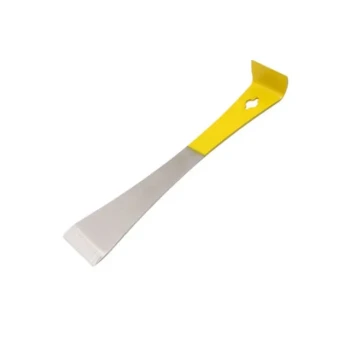
The primary objective is the protection of capital investment. Professional winter storage procedures are designed to safeguard beekeeping hardware and machinery from degradation. By properly securing hives and tools, you avoid the unnecessary labor and financial costs associated with repairing or replacing damaged equipment, ensuring a cost-effective and efficient start to the next beekeeping season.
Effective winter storage is a strategic preservation tactic. It mitigates the risk of equipment loss, ensuring that your hard assets remain viable and ready for immediate deployment when the spring season begins.
The Economic Impact of Storage
Professional storage is not merely about organization; it is about asset management. Beekeeping involves significant upfront costs in woodenware and machinery.
Preventing Capital Depreciation
Equipment left exposed to the elements deteriorates rapidly. The goal of storage is to pause this degradation process, extending the lifespan of every box, frame, and tool.
Reducing Operational Costs
Poor storage leads to damaged equipment, which requires capital to replace or labor hours to repair. Proper storage procedures eliminate this waste, allowing you to focus your spring budget on expansion rather than maintenance.
Critical Environmental Controls
To achieve the objective of preservation, specific environmental conditions must be met.
Moisture Management
Moisture is the primary enemy of stored equipment. Tools and woodenware must be dried completely before storage.
Residual moisture promotes the growth of mold and mildew. This biological damage weakens wooden components and necessitates labor-intensive cleaning before the equipment can be used again.
Pest Exclusion
Drawn honeycomb frames are particularly vulnerable and valuable. You must strictly guard wax frames against destruction by pests such as mice and wax moths.
Using sealed bins is highly effective. These barriers prevent infestation, preserving the delicate comb structure that the bees have worked to build.
Atmospheric Stability
Store equipment in a clean, dust-free environment. Avoid areas with strong odors, as these can contaminate the equipment and potentially affect future colonies.
Ensure the storage area is free from extreme temperature fluctuations. Stability helps maintain the structural integrity of hive components during the off-season.
Leveraging Winter Downtime
The winter months offer a unique operational window when bee activity is minimal.
Inspection and Repair
Restricted outdoor work makes winter the ideal time to audit your inventory. Inspect tools, machinery, and woodenware for wear and tear.
Preparation for Spring
Use this time to repair damaged items or build and paint new hives. This proactive approach ensures you are prepared for spring package bees or swarm captures without delaying operations during the busy season.
Common Pitfalls to Avoid
Even with good intentions, improper execution can undermine your storage objectives.
Storing Dirty Equipment
Never store equipment without cleaning it first. Thoroughly clean with a soft brush and mild soap to remove debris, wax, and propolis, which serve as attractants for pests.
Ignoring Dead-Outs
If a colony dies or is combined, do not leave the hive assembly outdoors. The entire assembly, including brood comb, must be stored immediately to prevent environmental damage and pest infestation.
Neglecting Feeders
Specialized feeders are vital for preventing colony loss during dearths. Ensure these tools are cleaned, inspected, and stored properly so they are functional the moment they are needed to prevent absconding.
Making the Right Choice for Your Goal
To maximize the return on your beekeeping investment, tailor your storage approach to your specific operational needs:
- If your primary focus is Cost Reduction: Prioritize the protection of drawn comb in sealed, pest-proof bins, as this is your most valuable biological asset that is costly to replace.
- If your primary focus is Operational Efficiency: Dedicate the winter months to deep cleaning and repairing woodenware so that spring setup requires zero maintenance time.
By treating your equipment as a protected asset rather than just supplies, you secure the continuity and profitability of your apiary.
Summary Table:
| Storage Factor | Primary Objective | Key Strategy |
|---|---|---|
| Moisture Control | Prevent rot, mold, and mildew | Ensure equipment is 100% dry before sealing |
| Pest Management | Protect drawn comb and woodenware | Use sealed bins to exclude mice and wax moths |
| Asset Management | Minimize capital depreciation | Store in clean, dust-free, stable environments |
| Operational Readiness | Maximize spring efficiency | Conduct inspections and repairs during winter downtime |
Secure Your Apiary’s Future with HONESTBEE
Proper storage is only half the battle—having durable, professional-grade equipment is the other. HONESTBEE specializes in supporting commercial apiaries and distributors with high-quality wholesale solutions. From heavy-duty hive-making and honey-filling machinery to precision beekeeping tools and essential consumables, our portfolio is designed to withstand the seasons and maximize your return on investment.
Don't let equipment degradation drain your profits. Partner with a supplier that understands the scale of your operation and provides the hardware you need to grow.
Ready to upgrade your inventory or streamline your production?
Contact HONESTBEE Today for Custom Wholesale Inquiries
関連製品
- ステンレス鋼 J フック養蜂用ハイブツール
- HONESTBEE 15-in-1養蜂用マルチツール(ハンマー、プライヤー付
- HONESTBEE 古典的なこじ開ける棒の養蜂のための高い視認性の終わりの蜂の巣用具
- 多機能プライヤー式フレームグリップハイブツール
- 養蜂とミツバチの女王の接ぎ木のためのステンレス鋼の女王の接ぎ木用具